
VIC / 03 — PROCESS OVER PROMISE
ENGINEERING
WITH PURPOSE.
Material, structure, aerodynamics and real use begin at the same table. This is the VIC engineering record.
01 / AERODYNAMICS
AIR IS A DESIGN INPUT.
Flow is shaped before it becomes a sensation. CAD studies and road verification inform the shell from the first line.
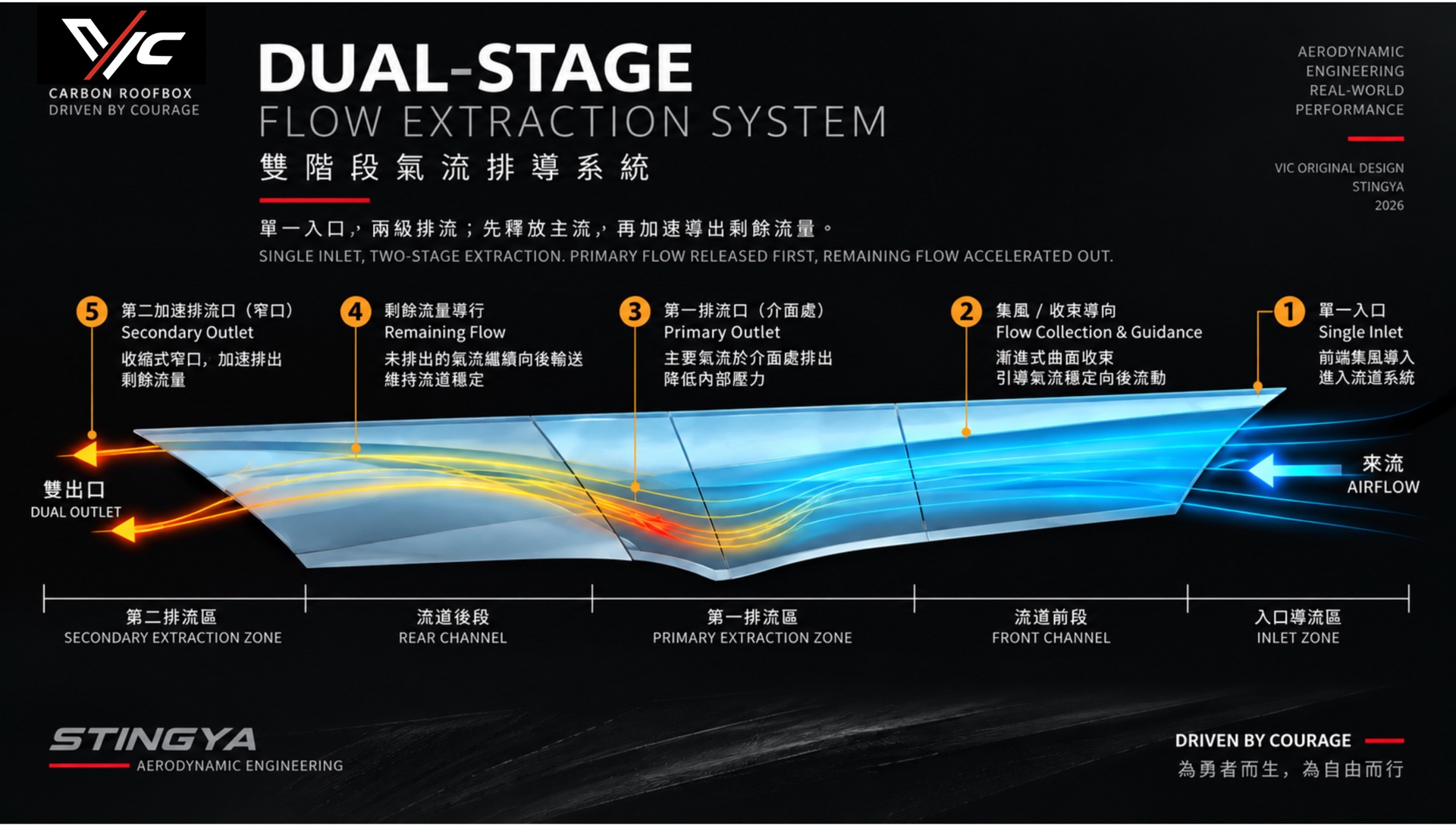
FLOW PATH
OFFICIAL VIC ENGINEERING ASSET
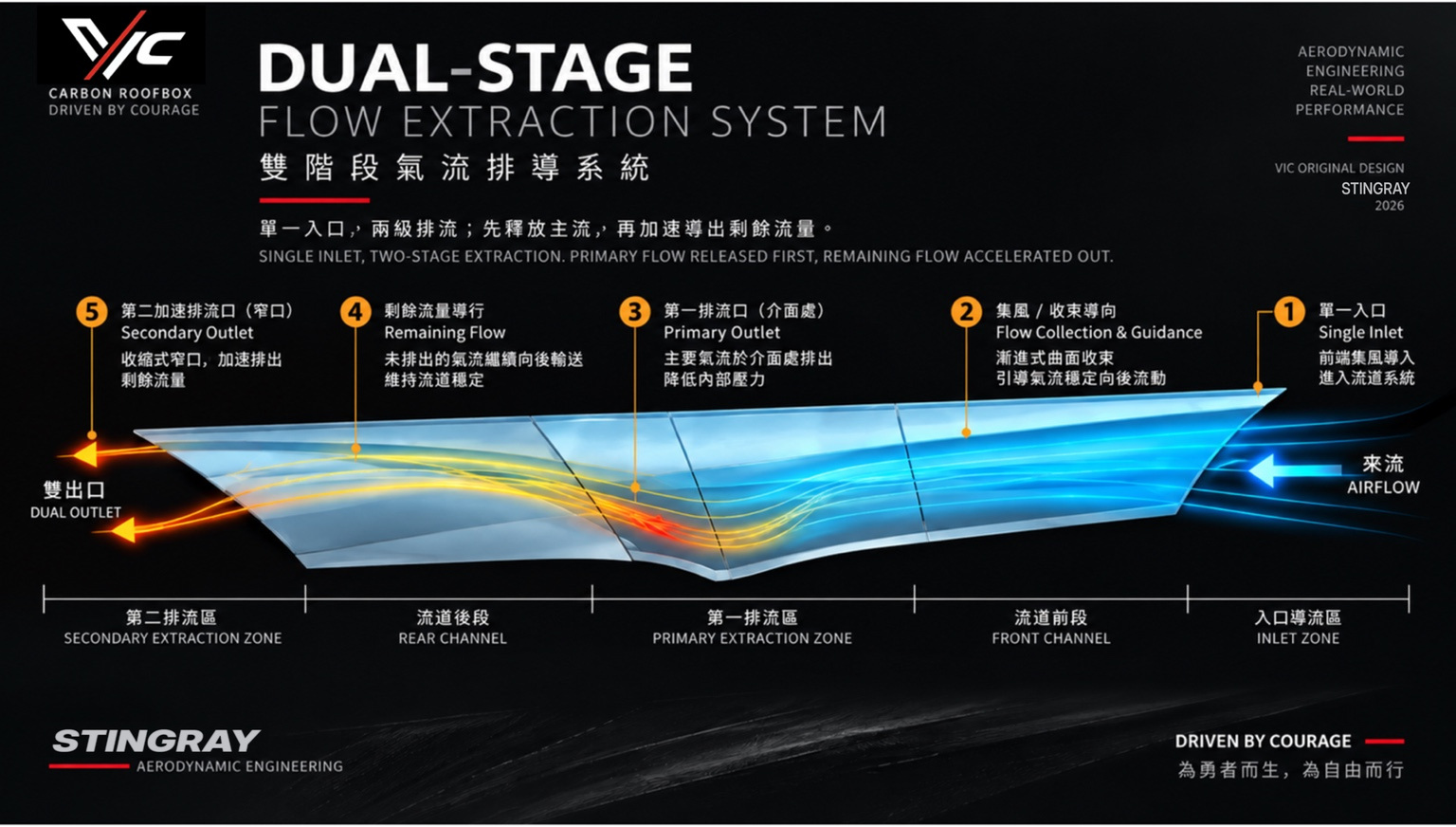
GUIDE THE FLOW
OFFICIAL VIC ENGINEERING ASSET
02 / SHELL ENGINEERING
STRUCTURE BEFORE DECORATION.
The shell is developed as a load-bearing object, with seals, reverse-lock geometry and carbon layup configured by structural demand.
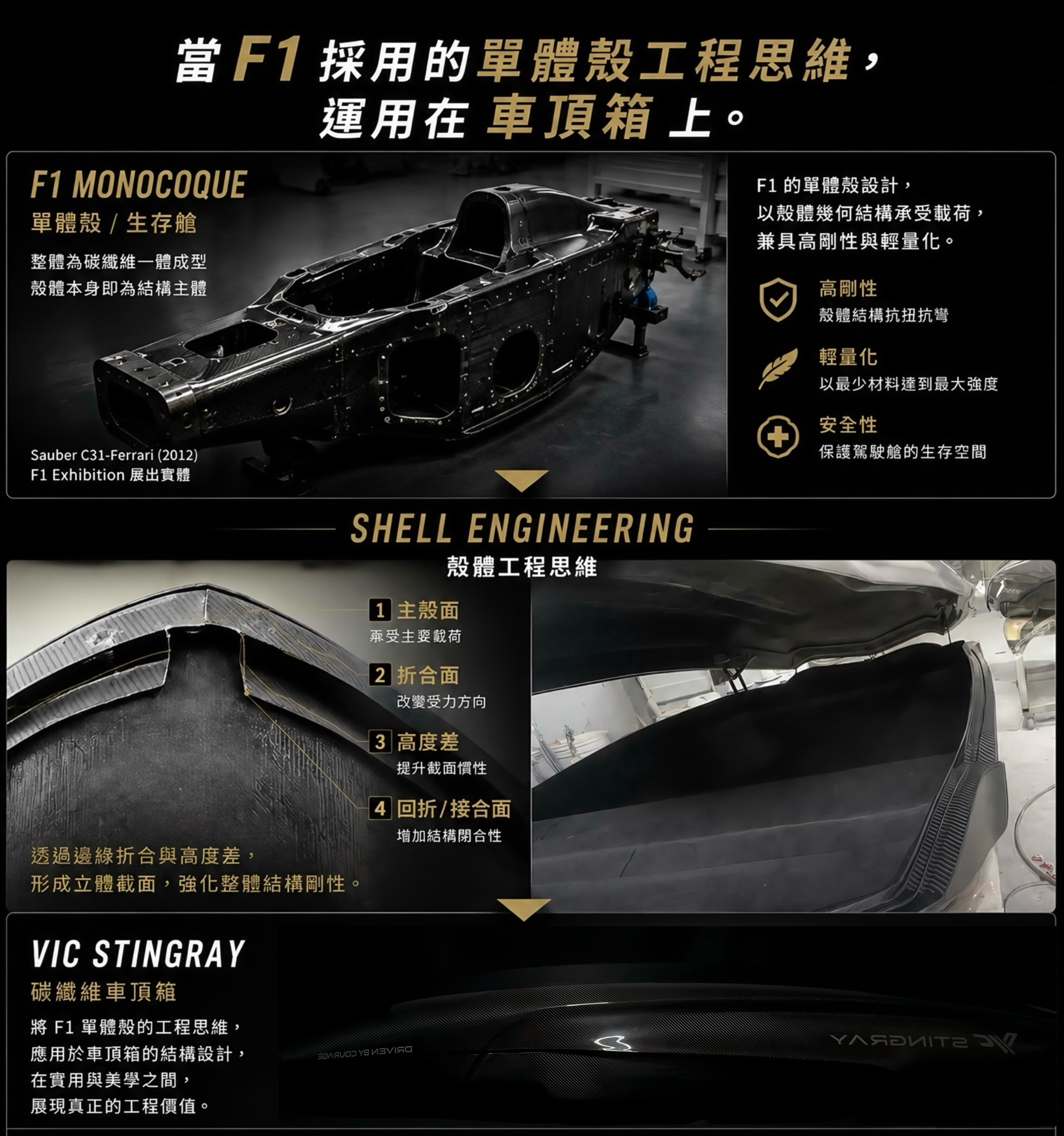
LOAD PATH
OFFICIAL VIC ENGINEERING ASSET
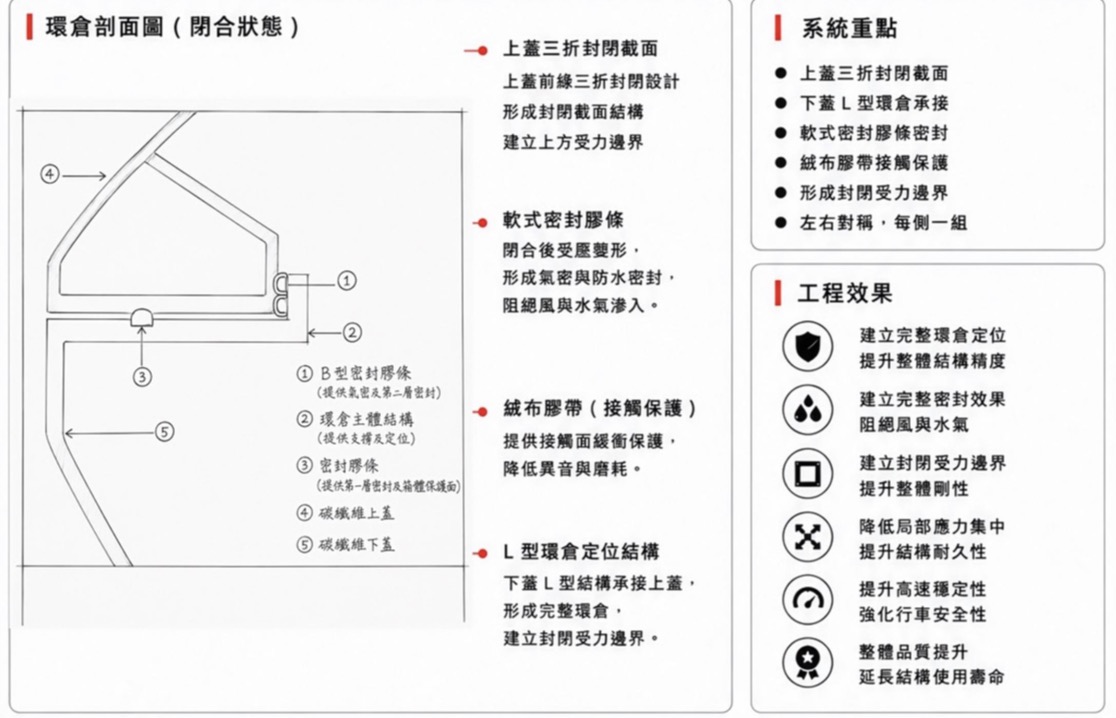
SEALED EDGE
OFFICIAL VIC ENGINEERING ASSET
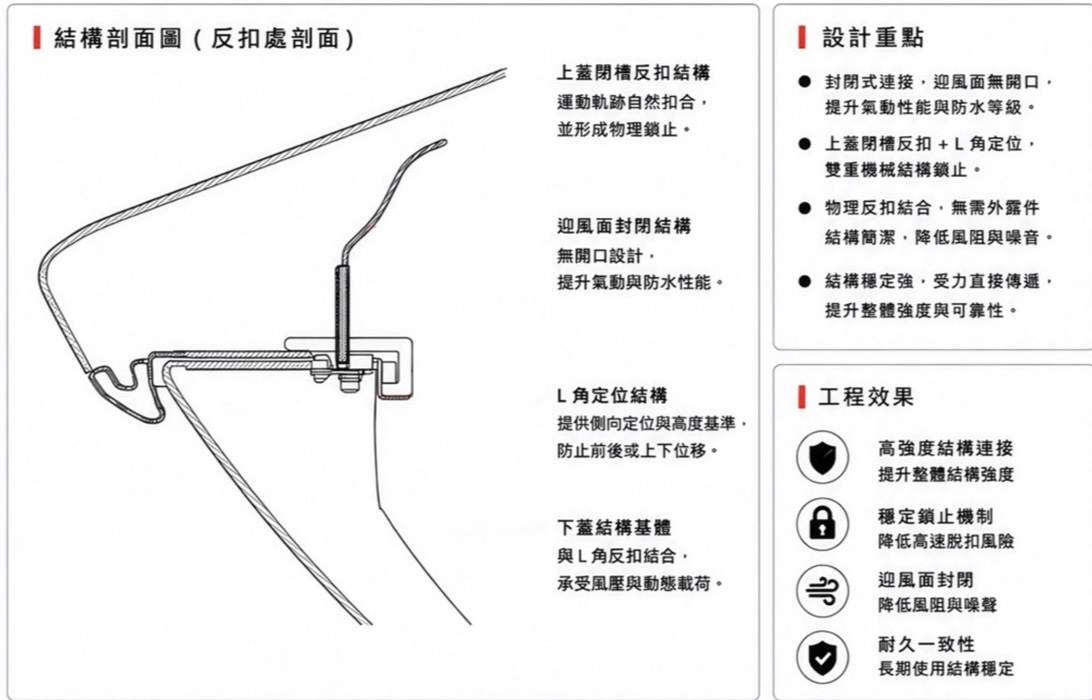
REVERSE LOCK
OFFICIAL VIC ENGINEERING ASSET
03 / COMPOSITE PROCESS
VACUUM RESIN INFUSION.
4–6 carbon-fiber layers are configured by structural demand, with up to 6 layers in critical load areas. This is not a claim that the entire shell uses 6 layers.
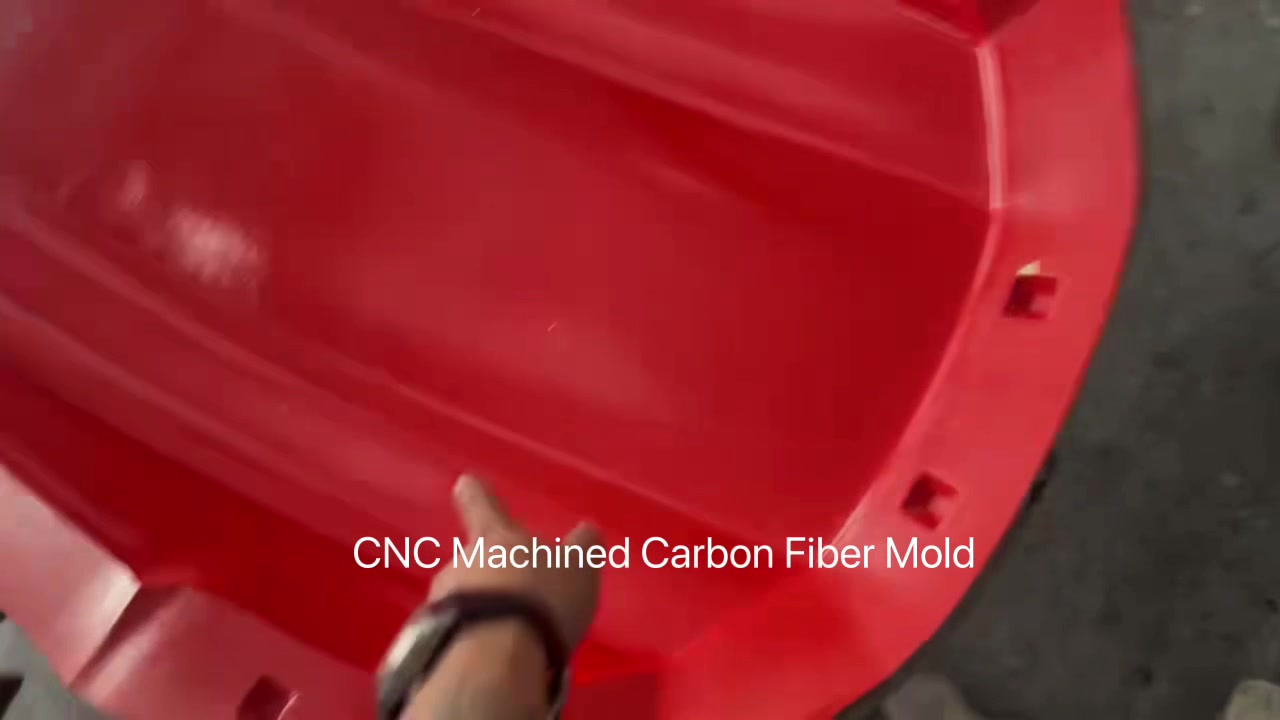
CNC MOLD
ORIGINAL VIC PROCESS MEDIA
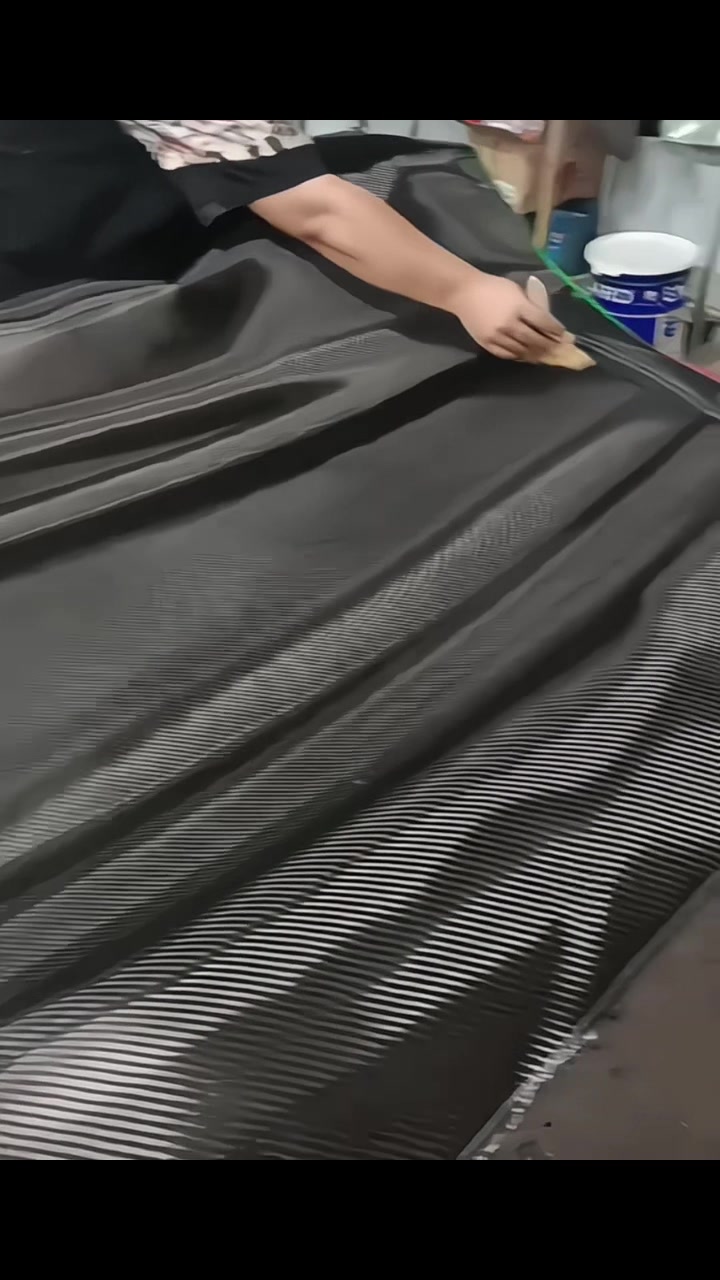
CARBON LAYUP
ORIGINAL VIC PROCESS MEDIA
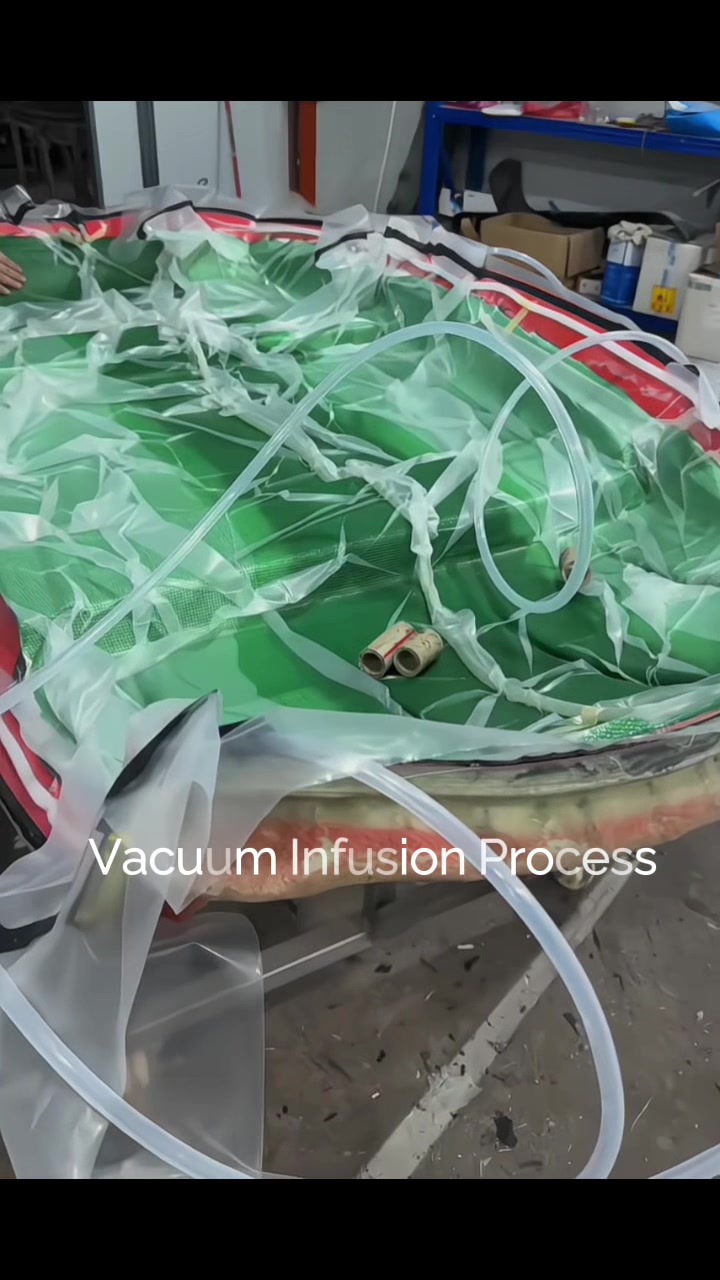
RESIN INFUSION
ORIGINAL VIC PROCESS MEDIA
04 / ROAD VERIFICATION
CURRENT OFFICIAL TEST RECORD: 230 KM/H.
230 km/h is the current official high-speed test record. It is not a rated speed, a guarantee or a recommended speed for public-road driving.
HIGH-SPEED TEST RECORD
ORIGINAL VIC ROAD TEST MEDIA
RECORD STATUS
230 km/h
The number describes the current official test record only. Actual driving must always follow road conditions, local law, vehicle limits and the driver's judgment.
STINGRAY / CABIN AUDIO
HIGH-SPEED CRUISE WIND NOISE RECORD
Original in-cabin recording. The original sound is preserved.
05 / QUIET CRUISE TEST
High-speed cruising, still composed.
HIGH-SPEED SILENCE
VIC STINGRAY | REAL-ROAD CRUISE RECORD
ORIGINAL CABIN AMBIENCE | CLICK TO PLAY WITH SOUND
Recorded observation
The footage preserves the speed and decibel readings captured during the drive. 144 km/h and 63.9 dB are momentary observations in this recording, not standardized certification data.
144
km/h / MOMENTARY OBSERVATION
63.9
dB / MOMENTARY OBSERVATION
Actual in-cabin noise is affected by the vehicle, tires, road surface, wind conditions and measurement method. This video is a real record under specific test conditions.
OWNER FEEDBACK / M3 TOURING
Owner feedback
OWNER'S SUBJECTIVE IMPRESSIONS | SEPARATE FROM INSTRUMENT READINGS
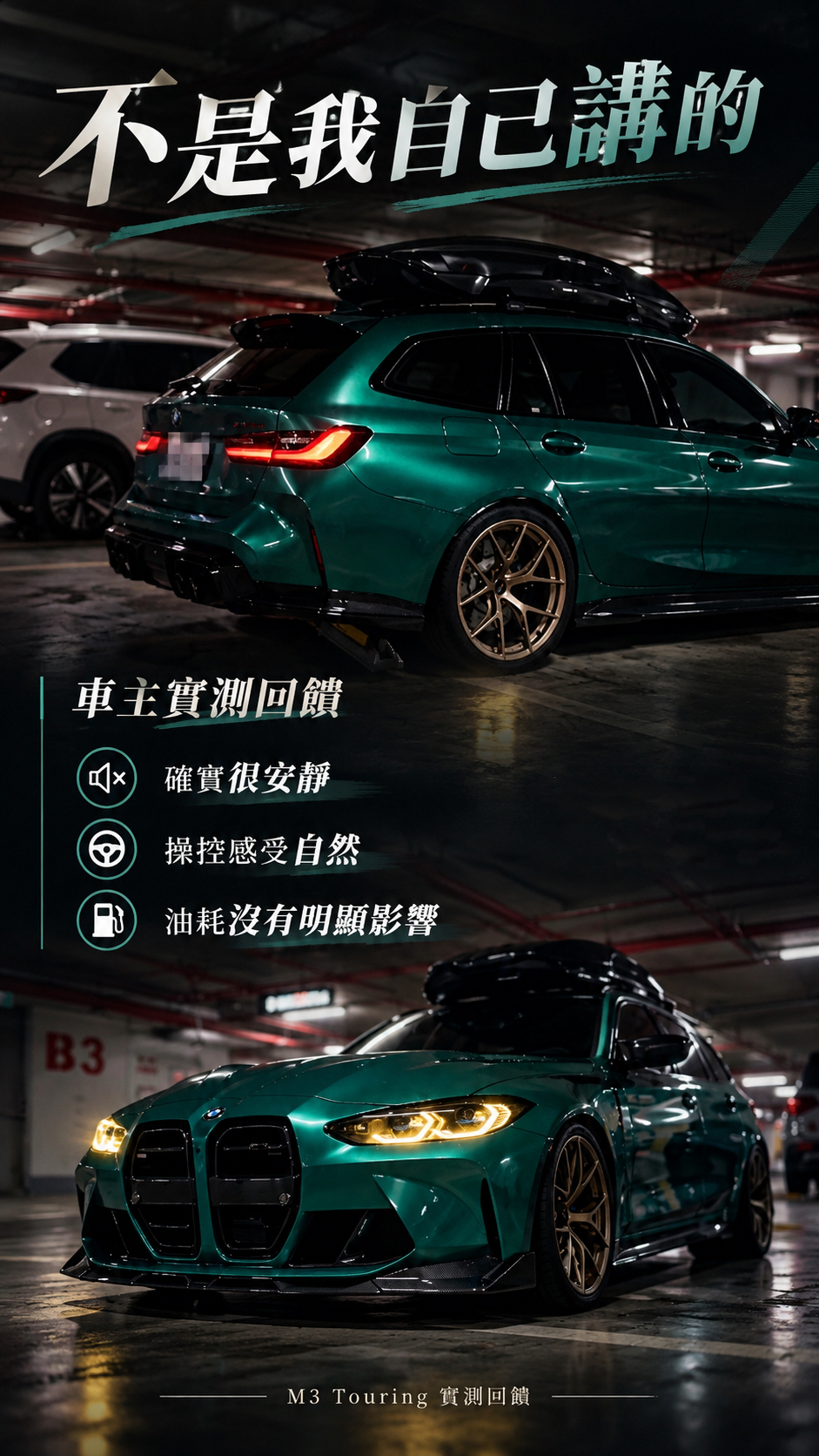
It is surprisingly quiet at high speed—there is no obvious wind noise.
You barely feel any load.
Published with the owner's consent. These impressions are presented separately from the instrument readings in this video.
ENVIRONMENTAL WIND CONDITIONS
Environmental Wind Conditions & Acoustic Performance
VIC STINGRAY’s acoustic performance is evaluated through real-world driving tests and continuous validation.
Wind noise during driving is influenced not only by vehicle speed, but also by ambient wind speed, direction, and airflow stability.
Under normal and relatively stable wind conditions, in-cabin sound pressure measurements may remain within a consistent range. However, seasonal winds such as the northeast monsoon, as well as strong crosswinds and gusts associated with typhoons, can alter airflow around the vehicle and cause varying degrees of noise increase or fluctuation.
Sound pressure measurements obtained under specific test conditions should therefore be interpreted in the context of the prevailing wind environment, rather than treated as constant values under all weather conditions.
VIC continues to optimize controllable engineering elements, including structural integrity, airflow management, sealing, and installation quality, while recognizing the influence of natural wind conditions on real-world acoustic performance.